Transform your business with seamless cloud migration services. We help you move your applications, data, and infrastructure to the cloud efficiently, ensuring minimal downtime and maximum scalability. Let us guide your journey to the cloud with expertise and security.

Data Analytics
Unlock the power of your data with our comprehensive Data Analytics services. We help businesses transform raw data into actionable insights, driving smarter decision-making and optimizing performance across all areas. Whether it’s predictive modeling, trend analysis, or data visualization, our solutions are designed to fuel growth and innovation.

Data Engineering
Our Data Engineering services lay the foundation for efficient, scalable data management. We specialize in building robust data pipelines, integrating diverse data sources, and ensuring seamless data flow across your systems. With our expertise, you can harness the full potential of your data infrastructure, enabling faster analytics and more accurate insights.

Data Warehousing
Our Data Warehousing services provide a centralized, secure environment for your organization’s data. We design and implement scalable data warehouses that consolidate information from multiple sources, enabling easy access and faster reporting. With our solutions, you can optimize data storage, improve query performance, and empower your team to make data-driven decisions with confidence.
Database Services
Our Database Services ensure the smooth operation, optimization, and security of your databases. From database design and implementation to ongoing maintenance and performance tuning, we help you manage your data efficiently. Whether you’re working with SQL, NoSQL, or cloud databases, our solutions are tailored to meet your business needs and enhance operational efficiency.
Generative AI
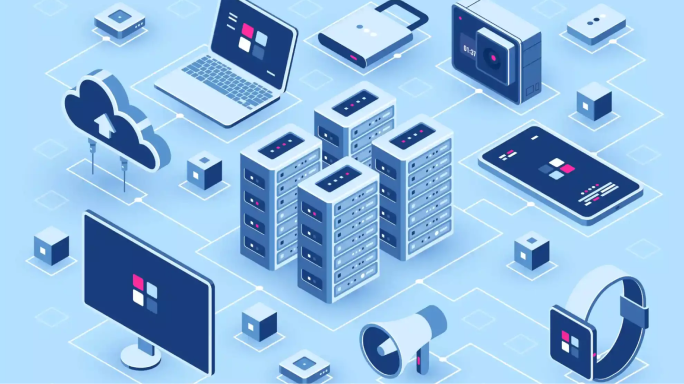
Our Generative AI services harness the latest advancements in artificial intelligence to create innovative solutions tailored to your business. From generating personalized content to automating complex tasks, we help you unlock the full potential of AI-driven creativity and automation. Whether you’re looking to enhance customer engagement or streamline operations, our Generative AI solutions are designed […]
ML And AI Solutions
Our ML and AI solutions help enterprises turn business data into predictive insights, intelligent automation, and practical business outcomes. We develop custom machine learning models and AI solutions for predictive analytics, recommendation systems, natural language processing, Document AI, computer vision, and deep learning. For organizations building ML workloads on Snowflake, we also provide Snowflake ML […]

Product Engineering
With a deep understanding of data-driven technologies, we craft cutting-edge products that harness the transformative power of data. Whether it’s developing robust data-driven applications or integrating smart analytics into your offerings, our expertise ensures products are data-optimized for a competitive edge…

RPA Services
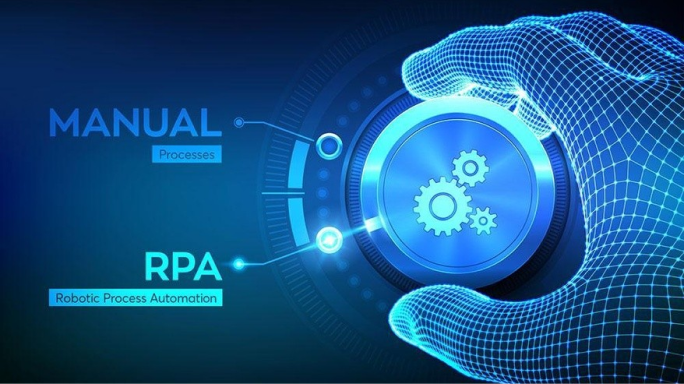
Automate business processes, accelerate digital transformation, and improve productivity with intelligent RPA services and solutions from Wronit. We help businesses with end-to-end RPA services from assessment, development, and deployment to support.
AI Governance & Compliance
Our AI Governance and Compliance solutions help startups and enterprises deploy responsible, secure, and legally aligned artificial intelligence architectures. We provide continuous model auditing, algorithmic bias mitigation, and cross-border framework implementation to turn regional and worldwide regulatory compliance into a distinct competitive advantage.